Dave’s Digital Advertising Blog
Digital marketing is a way for companies to reach audiences around the world through websites, emails, and social media. As our technological world continues to grow and evolve so do marketing capabilities. Over the next five years as we expect to see a shift in strategy, three key advancements could include widespread shoppable video ads, enhanced AI personalization, and increased mobile gaming advertising.
SHOPPABLE VIDEO ADS
Most marketers know that convenience is king, consumers want what they want and they want it now. Shoppable video ads will give the user just that, the opportunity to buy without thinking or much effort.
Shoppable video ads have a direct link to the website or product while the commercial is playing. This also allows the user that chance to click the link and add the item directly to their cart making the purchasing experience as seamless as possible.
Some companies such as Amazon have already implemented this type of advertising and “studies show a 66% increase in engagement rates for interactive videos compared to traditional ads. By boosting engagement with interactive videos, users spend more time with the content, increasing brand recall.” (Firework Staff, n.d.). Not only have early adopters of this idea seen an increase in engagement, but it “has been proven to increase purchase intent by 9x.” (Nizam, 2025). The more interactive an ad can be in today’s society, the better chance it has to catch and capture an audience and drive sales.
Enhanced AI Personalization
No matter what your thoughts on the topic may be, no one can deny that AI is an ever growing force in our every day lives. It has revolutionized technology and what we are able to create. Everything from manufacturing, to the vehicles we drive, to the food we eat, all of it is being influenced by what AI can do and can tell us to do.
Digital advertising is no different than any other industry where we expect to see those in the field lean more and more heavily on AI. AI will allow marketers to not only create ads more efficiently and cheaper, they will also be able to directly cater the media to each individual user, hoping to drive the most impactful outcomes. “According to McKinsey (2022), Amazon generates 35% of its total revenue through its AI-driven recommendation system. The recommendation engine not only suggests products based on past behavior but also adapts in real time as users interact with the platform. This level of personalization significantly enhances user experience, boosts customer
satisfaction, and increases sales conversion” (Shafik, 2025). AI allows companies to constantly stay ahead of emerging trends by learning what customers want sometimes even before the customer itself knows it wants it.
AI personalization is great to drive customers to purchases and understand what they may want in the future, but a crucial aspect of this type of marketing is rooted in building a relationship. By allowing AI to cater ads and suggestions directly toward individuals instead of broader groups, it helps create a direct connection between the brand and the customer. “In fact, 45% of consumers say they’re less likely to purchase from a brand after a non-personalized experience, and 27% would stop using that brand altogether.” (Lin, 2022).
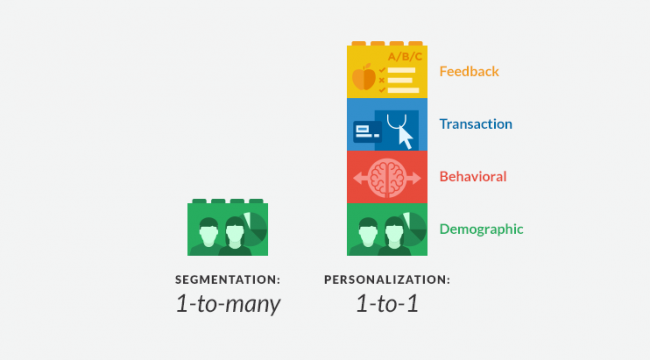
“Personalization is a way for you to demonstrate that you’re listening to what individual customers need. It helps you to establish a connection with each customer, leading to increased satisfaction and long-term loyalty.” (Lin, 2022).
Mobile Gaming Advertising
What are you reading this blog on right now? Your computer? Tablet? or Phone? Whatever the answer may be, the result is looking at a screen that allows marketers the chance to place an ad somewhere. Our phones are in our hands more now than ever and that trend only continues to grow every year. But, we are not just looking at a blank screen, we are sending messages, reading articles, checking sports scores, scrolling through social media or even playing games. The last instance is maybe one of the most important for future advertising. “The global mobile gaming market size was estimated at USD 139.38 billion in 2024 and is projected to reach USD 256.19 billion by 2030, growing at a CAGR of 10.2% from 2025 to 2030.” (Grand View Research, 2025).
As the world of mobile gaming grows so do the opportunities to reach audiences both as adult aged individuals as well as those younger audiences just starting their purchasing development. “Today’s mobile games appeal to a truly diverse audience: Udonis reports that 55% of players are now female, and the average age is 36. In fact, two-thirds of all internet users aged 55 to 64 play video games.” (Rosenfelder, 2021).
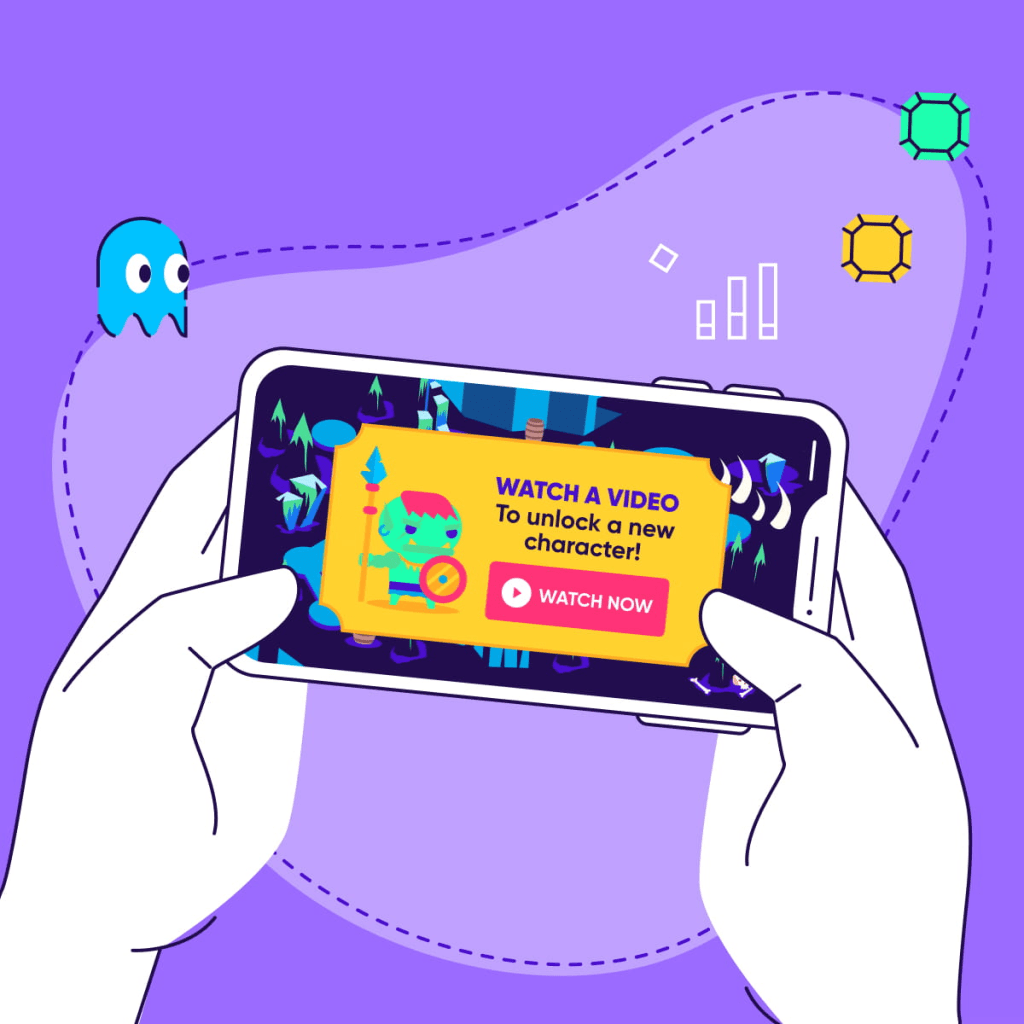
If you have ever played a game on your phone you most likely have elected to watch an ad to get an extra life or some other in game reward. These ads are very beneficial for marketers as they subliminally create a positive link between these brands being advertised and some instant reward for you (i.e. in game perks). “Unlike traditional advertising, in-game advertising allows marketers to reach their audiences where they are most engaged and active, making it a more dynamic and flexible form of marketing. (Activision/Blizzard, 2022).
Marketers are always trying to find the next edge to get their companies to the forefronts of consumers minds and to build a lasting relationship. The goal of future campaigns is not just to get a one time purchase but keep you coming back. These three ideas help not only understand the thoughts of the consumer, but also make them feel part of the brand. By making the customer feel that they are being heard and also that you are prioritizing their convenience, you can be a brand of choice through these smart marketing strategies.
References:
Activision/Blizzard. (2022). Discovering the Effectiveness of In-Game Advertising. Activision/Blizzard. https://www.activisionblizzardmedia.com/insights/blogs/2022/7/the-efficacy-of-in-game-advertising-in-mobile—video-games#:~:text=What%20are%20the%20benefits%20of,reach%20a%20leaned%2Din%20audience.
Firework Staff. (n.d.). Shoppable Videos vs. Traditional Ads: Lets Get into the Details. Firework. https://firework.com/blog/shoppable-videos-vs-traditional-ads
Grand View Research. (2025). Mobile Gaming Market (2025-2030). Grand View Research. https://www.grandviewresearch.com/industry-analysis/mobile-games-market
Lin, P. (2022, August 30). AI-Based Marketing Personalization: How Machines Analyze Your Audience. Marketing AI Institute. https://www.marketingaiinstitute.com/blog/ai-based-marketing-personalization#:~:text=Forecasting,and%20experiment%20with%20personalized%20experiences.
Nizam, A. (2025, October 7). Shoppable Video 101: How to Convert Your Viewers Into Customers. LemonLight. https://www.lemonlight.com/blog/shoppable-video-101-how-to-convert-your-viewers-into-customers/#:~:text=Shoppable%20video%20is%20video%20content%20that%20is,the%20consumer%20at%20the%20moment%20of%20inspiration.
Rosenfelder, S. (2021, October 14). Follow the Money: the power of in-game mobile advertising. AppsFlyer. https://www.appsflyer.com/blog/mobile-marketing/in-game-mobile-advertising/
Shafik, R. (2025, June). AI AND PERSONALIZATION IN DIGITAL MARKETING. International Journal of Progressive Research in Engineering Management and Science (IJPREMS). https://www.ijprems.com/uploadedfiles/paper/issue_6_june_2025/42080/final/fin_ijprems1750314757.pdf
Spivey, A. (2021, December 1). The future of Digital Marketing (Online Image). LinkedIn. https://www.linkedin.com/pulse/future-digital-marketing-abbey-spivey/
 Digital Marketing